Key Takeaways:
- Older 100-amp panels were built for a different era of gas-powered appliances and often can’t handle today’s electric-heavy homes without hitting real limits.
- Warning signs like frequent tripped breakers, flickering lights, or a warm panel usually mean your electrical system is already being pushed past safe capacity.
- Panel upgrade costs can climb by $1,500 to $4,000 on top of an EV charger installation when the existing panel can’t support the added load.
- About 12% of EV-owning households have already upgraded their panel specifically to support home charging, showing this is a widespread issue, not a rare edge case.
- Newer appliances like heat pumps, induction ranges, and battery storage systems draw significantly more power than the equipment they’re replacing.
- A licensed electrician’s load calculation is the only reliable way to know whether your panel can support new appliances, rather than relying on assumptions.
- Upgrading proactively tends to be cheaper and less disruptive than being forced into an emergency upgrade after a new appliance is already installed.
If your house still runs on the same electrical panel it had in 1995, you are probably not thinking about it much until something trips, buzzes, or flat-out refuses to power on. But here is the thing: the appliances filling up modern homes today draw a lot more electricity than the ones your panel was originally built to handle. Electric vehicles, heat pumps, induction ranges, and smart HVAC systems are becoming the new normal, and older panels simply were not designed with that kind of demand in mind. In this article, we will break down why panel capacity matters so much right now, what the current data says about where things are headed, and how upgrading your panel sets your home up to actually use the appliances you want without constant electrical stress.
Why Your Old Panel Might Already Be Struggling
Most homes built a few decades ago came standard with 100-amp electrical service. Back then, that was plenty. Homes ran on gas furnaces, gas stoves, and maybe a window AC unit or two. Fast forward to today, and that same 100-amp panel is being asked to support central air conditioning, an electric range, a heat pump water heater, and possibly a Level 2 EV charger in the garage. That is a lot to squeeze out of a system that was never built for it.
Here is a simple way to think about it: your panel is like the main water line coming into your house. If you add a hot tub, an irrigation system, and a second bathroom, but never upgrade the pipe bringing water in, everything downstream starts fighting for the same limited supply. Electrical panels work the same way. When demand creeps past what the panel can safely deliver, you start seeing warning signs such as:
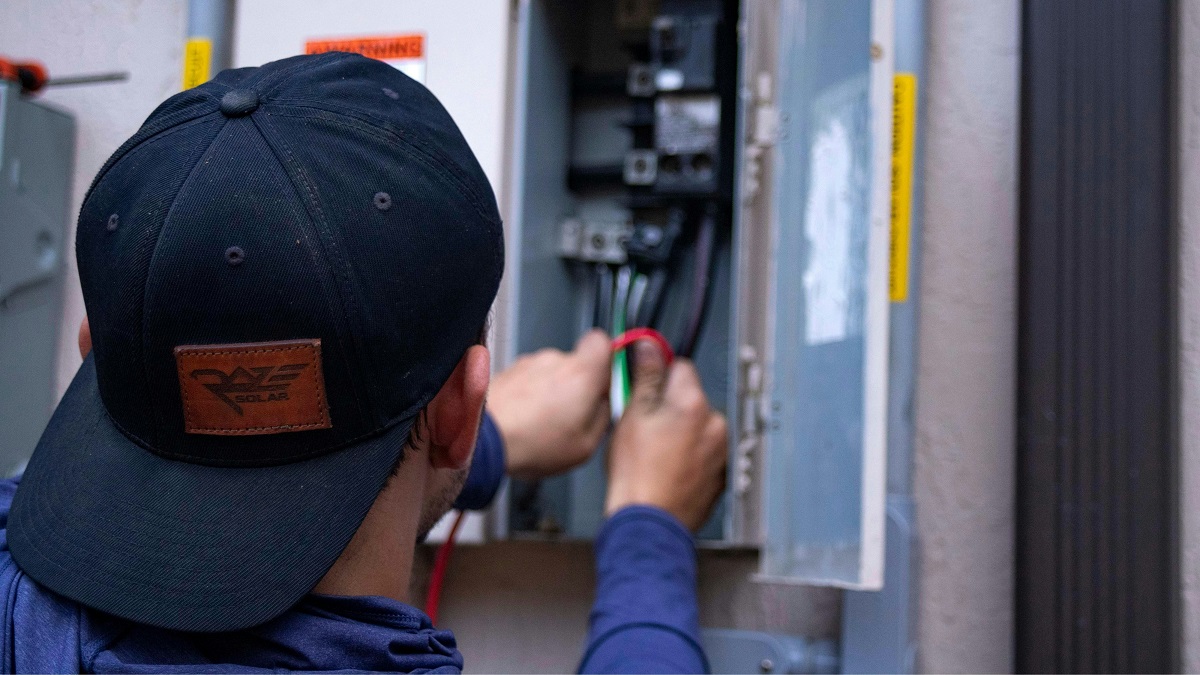
- Breakers that trip regularly, especially when multiple appliances run at once
- Lights that flicker or dim when the AC or dryer kicks on
- A panel that feels warm to the touch or shows scorch marks near the breakers
- An electrician telling you there is “no room” for a new circuit
None of these are things to ignore. They are signals that your home’s electrical backbone is being pushed past its comfort zone.
It also helps to understand why this gap exists in the first place. Building codes and typical household demand simply looked different a generation ago. A home built with gas heat, a gas stove, and a single window unit for cooling did not need much more than 100 amps to run comfortably. Electricians sized panels around that reality, and for decades it made sense. The shift toward electrification, though, changes the equation completely. Every appliance that used to run on gas and now runs on electricity adds real, measurable load to a system that was never resized to match. That mismatch is exactly what shows up as tripped breakers, dimming lights, and electricians shaking their heads when you ask about adding “just one more circuit.”
What the 2026 Data Is Actually Telling Homeowners
It is easy to assume panel upgrades are a niche concern for people building brand-new homes, but the numbers tell a different story. According to a 2026 industry breakdown from SafeElectricCo, a full Level 2 EV charger installation now runs somewhere between $800 and $3,500 depending on the equipment and labor involved, and that price climbs by another $1,500 to $4,000 whenever the home’s existing panel cannot handle the added load. That is a meaningful chunk of change, and it shows just how directly panel capacity affects the real-world cost of adding a home charger.
The second data point comes from a separate 2026 report published by PNW Residences, which zeroed in on actual EV owner behavior rather than installation pricing. Their research found that roughly 12 percent of American households that already own an electric vehicle have gone ahead and upgraded their electrical panel specifically to support home charging. That is not a hypothetical future trend. That is more than one in ten EV-owning households already deciding their existing panel was not going to cut it.
Put those two data points side by side and a clear pattern emerges. Homeowners are not just buying EVs and hoping for the best. A meaningful slice of them are running into panel limitations quickly enough that they are paying to fix the root problem, not just patch around it. And the cost data confirms why timing matters: waiting until the charger is already sitting in the garage tends to be more expensive and more disruptive than planning the upgrade ahead of time.
Modern Appliances Are Drawing More Power Than Ever
It is not just EVs pushing panels to their limits. A whole generation of newer, more efficient appliances actually pulls more electrical current than the gas-powered or lower-tech versions they are replacing. Some examples worth knowing about:
- Heat pump water heaters and HVAC systems run almost entirely on electricity instead of gas, and they typically need a dedicated 30-amp or higher circuit.
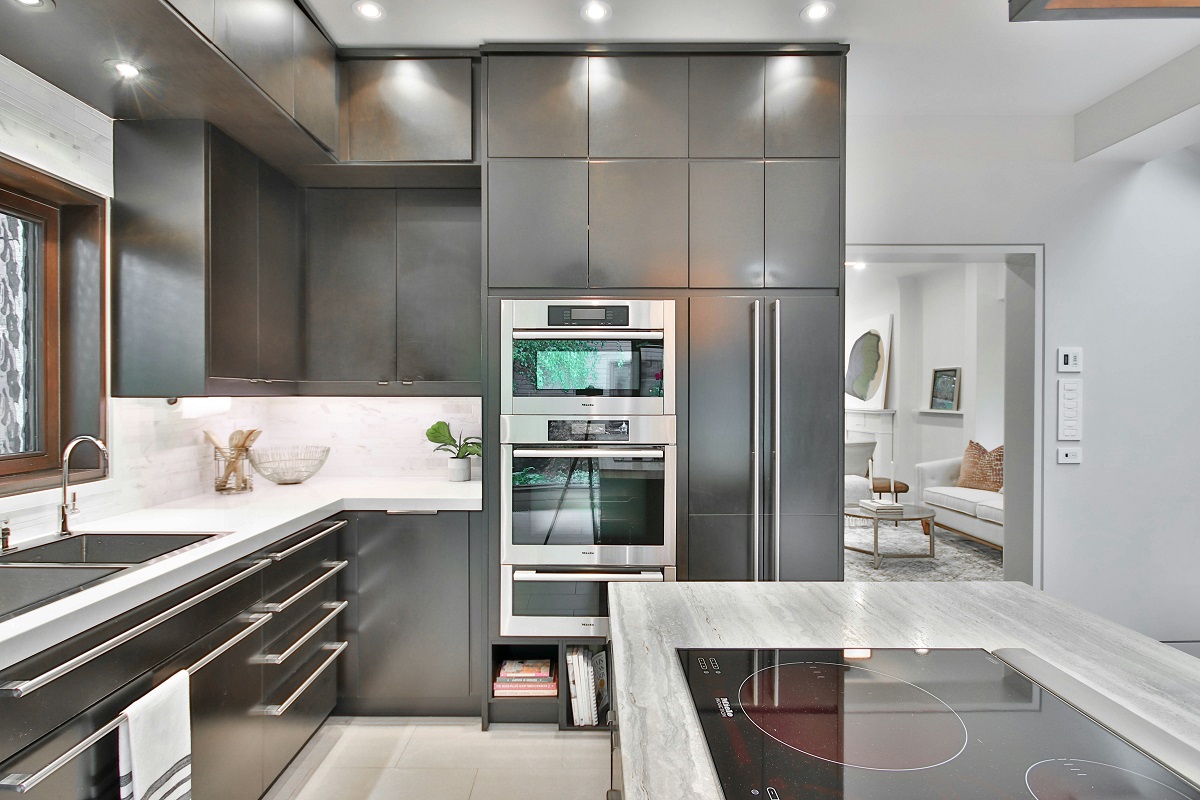
- Induction cooktops and electric ranges can require a 40 to 50-amp dedicated circuit, noticeably more than older electric coil ranges.
- Level 2 EV chargers draw a steady 40 to 60 amps whenever they are actively charging, often for several hours at a stretch.
- Battery storage systems and solar inverters add their own load requirements on top of everything else, especially in homes trying to go partially or fully electric.
Add just two or three of these to a home still running 100-amp service, and the math stops working. A licensed electrician will typically run a load calculation, a formal process that adds up your home’s total expected electrical demand and compares it against what your panel can safely deliver. If the numbers do not fit, an upgrade to 200 amps (or in some larger homes, even higher) becomes less of a luxury and more of a practical necessity.
This is also where a lot of homeowners get caught off guard. It is easy to assume that buying an EV or a new range is a simple, standalone purchase. In reality, the appliance is only half the project. The other half is whether the electrical system behind the wall can actually support it safely. Skipping that step does not just risk an inconvenient tripped breaker; it can create a genuine fire hazard if a panel is consistently forced to carry more than it was rated for. That is exactly why load calculations are required by code before major new circuits get added, rather than being treated as an optional courtesy step.
Signs It’s Time for a Panel Upgrade
You do not necessarily need to wait for a load calculation to know something is off. There are a handful of practical signs that tend to show up well before a full electrical failure:
- Your panel is still rated for 100 amps or less, and you are considering adding an EV charger, electric range, or heat pump
- You are renovating a kitchen or adding square footage to your home
- Your panel uses older breaker brands that have developed a reputation for reliability issues or fire risk
- You are constantly running extension cords or power strips because there are not enough dedicated circuits
- Your homeowner’s insurance provider has flagged your panel type during an inspection
If two or more of these sound familiar, it is worth getting a professional opinion sooner rather than later. Planning ahead of an appliance purchase tends to be far less stressful, and often less expensive, than scrambling to fix a panel problem after installation day has already been scheduled.
What a Panel Upgrade Actually Involves
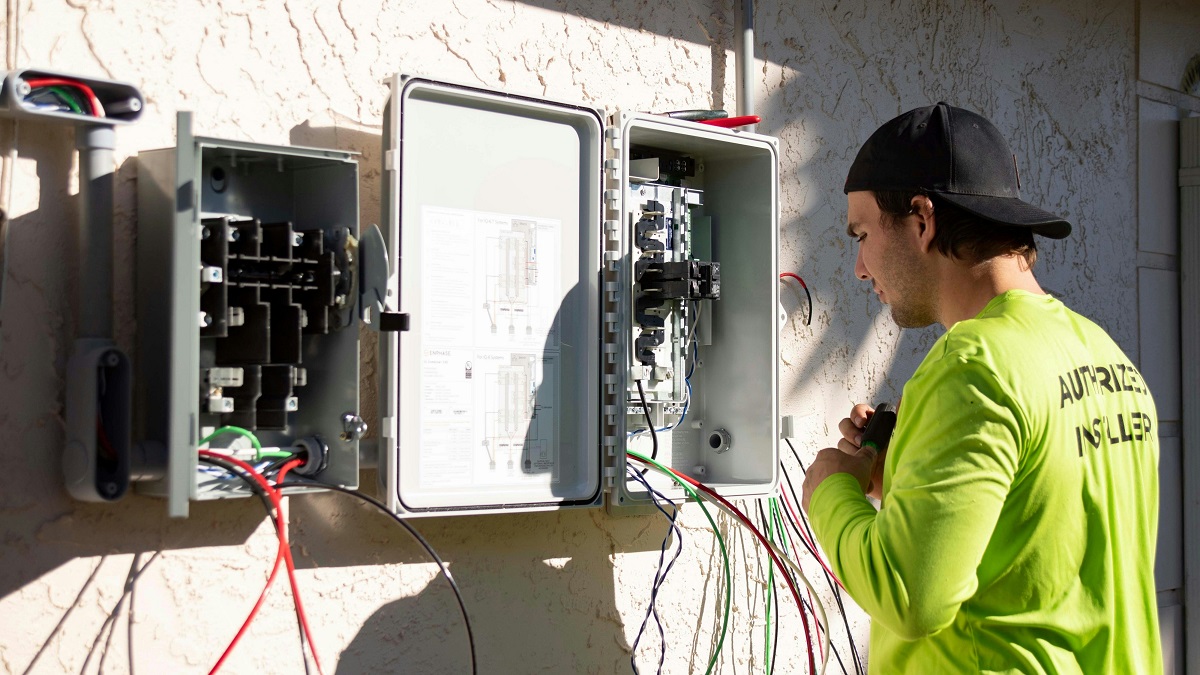
A panel upgrade is not just swapping one box for a bigger one, even though that is the simplest way to describe it. A licensed electrician typically works through a few key steps:
- Load calculation – Adding up your home’s current and anticipated electrical demand, following code-based methods rather than guesswork.
- Permit and inspection – Most municipalities require a permit for panel work, along with a follow-up inspection to confirm everything meets current code.
- Service capacity upgrade – If your home’s incoming utility connection cannot support the new panel size, the utility company may need to upgrade the service line as well.
- Panel installation – The actual replacement of the panel, breakers, and any related wiring, sized appropriately for your home’s real electrical needs.
- Final inspection and sign-off – Confirming the new system is safe, compliant, and ready for the appliances you plan to add.
This process is also a smart moment to think bigger picture. If you are already opening up the electrical system, it often makes sense to plan for what is coming next, not just what you need today. Whether that means leaving room for a future EV charger, prepping for solar, or simply adding extra breaker slots, this is the stage where you future proof your home’s utility systems instead of having to redo the work again in a few years.
Cost Considerations and Long-Term Value
Panel upgrades are not cheap, but they tend to pay for themselves in ways that are easy to overlook. A straightforward panel upgrade alone typically runs a few thousand dollars depending on your region, panel size, and whether your service line also needs work. When paired with something like an EV charger, that number climbs further, which is exactly why the earlier data point about additional charging costs matters so much for anyone budgeting ahead of time.
Here is where the long-term value comes in:
- Fewer emergency repairs. Panels operating within their safe capacity are far less likely to trip, overheat, or fail unexpectedly.
- Higher home resale value. Buyers and inspectors increasingly view updated electrical systems as a meaningful selling point, especially as more homes go partially or fully electric.
- Insurance benefits. Some insurers offer better terms, or fewer flagged issues during inspection, for homes with modern, code-compliant panels.
- Room to grow. A properly sized panel means you are not stuck negotiating which appliances get to run at the same time.
Think of it less as a single expense and more as infrastructure. You are not just paying for a metal box on the wall. You are paying for the ability to add appliances over the next decade without your electrical system becoming the bottleneck.
Choosing the Right Panel Size for Your Home
Not every home needs to jump straight to the largest panel available. The right size depends on what you already have and what you realistically plan to add. A smaller, older home with gas appliances and modest electrical needs may still function fine on 100 amps for now. But once you start adding EV charging, electric cooking, upgraded HVAC, or a home addition, a 200-amp panel typically becomes the more sensible baseline, and some larger or heavily electrified homes may need even more.
A few questions worth asking before deciding:
- How many major electric appliances do you currently run, and how many are you planning to add in the next five years?
- Does your home already show signs of an overloaded panel, such as frequent tripped breakers?
- Are you planning any major renovations that will naturally trigger a code-required upgrade anyway?
- Is your current panel brand or age associated with known safety concerns?
A licensed electrician can walk through these questions with you and run the actual numbers, rather than relying on rules of thumb. It is a relatively small conversation that can save a lot of guesswork later.
Final Thoughts
Modern appliances are only getting more efficient, more electric, and more power-hungry all at once, and your electrical panel is the piece of infrastructure standing between those appliances and reliable performance. The data backs this up clearly: installation costs jump noticeably when a panel cannot handle the load, and a real, measurable share of EV owners are already choosing to upgrade rather than work around the limitation. If you are planning any major appliance additions in the next few years, getting ahead of a panel upgrade now is one of the more practical investments you can make in your home’s day-to-day comfort and long-term value. It is not the flashiest home improvement project, and it will not show up in glossy renovation photos, but it is the piece that quietly makes every other electrical upgrade possible. Talk to a licensed electrician, get a real load calculation done, and make the decision based on your home’s actual numbers rather than guesswork. Your future appliances, and your circuit breakers, will thank you.
