Renovating a home is often viewed through the lens of aesthetics—choosing the right backsplash, selecting a paint palette, or picking out the perfect hardwood flooring. However, the most successful renovations of 2026 are those that look beneath the surface. As our homes become increasingly reliant on complex digital ecosystems, the physical utilities supporting them must be robust enough to handle the load. Future-proofing your utilities means anticipating the technological needs of the next decade, ensuring that your home remains efficient, adaptable, and highly functional.
Beyond the immediate convenience, this level of preparation significantly impacts your home’s long-term market value. Buyers in today’s market are increasingly savvy, often looking for “move-in ready” tech capabilities that don’t require expensive retrofitting. By treating your utilities as a modular platform rather than a static set of pipes and wires, you are essentially creating a property that can “upgrade” itself as new innovations hit the market over the next twenty years.
The New Standard for Home Electrical Systems
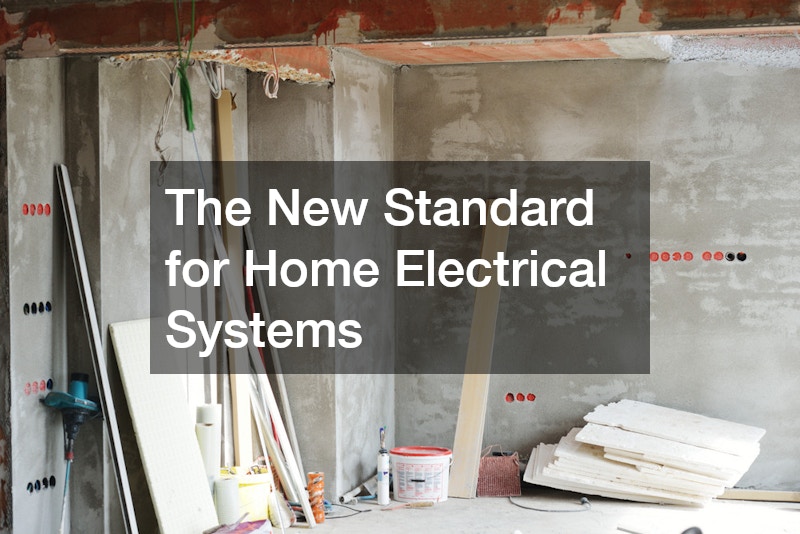
The electrical demands of a modern household have shifted dramatically. Between electric vehicle (EV) charging stations, high-end server closets for home automation, and an array of smart devices, a standard 100-amp service is often no longer sufficient. When planning your renovation, the electrical panel should be your first stop.
Strategic Power Upgrades
-
Service Capacity: Upgrading to a 200-amp or even 400-amp service provides the headroom necessary for future expansions like heat pumps or high-speed EV chargers.
-
Dedicated Circuits: Sensitive smart home hubs and theater systems should ideally run on dedicated circuits to prevent interference from high-draw appliances like vacuum cleaners or hair dryers.
-
Sub-Panel Installation: If you are finishing a basement or attic, installing a sub-panel can simplify the wiring process and provide easier access for future troubleshooting.
Homeowners often underestimate the complexity of modern smart switches and integrated lighting panels. This is why it is vital to consult with professional electricians early in the design phase. They can help you map out a “star topology” for your data and power, ensuring that high-voltage lines don’t interfere with your low-voltage communication cables.
Furthermore, the rise of home-based AI processing means your wiring needs to handle consistent, high-speed data transfer without lag. Moving toward a “PoE” (Power over Ethernet) model for security cameras and touch panels can reduce the number of traditional outlets needed while providing a more stable connection than Wi-Fi alone. This foresight allows your electrical grid to support a truly integrated environment where power and data flow in tandem to every corner of the property.
Intelligent Water Management and Leak Prevention
Water damage remains one of the leading causes of insurance claims and property loss. A future-proofed home uses technology to not only conserve water but to actively protect the structure from the inside out. Moving beyond copper pipes and manual valves, modern plumbing is about data and precision control.
Building a Defensive Plumbing Network
-
Smart Main Shut-off Valves: These devices sit on your main water line and can automatically cut the supply if they detect a burst pipe or an unusual flow pattern.
-
Acoustic Leak Detectors: High-tech sensors can now “hear” the sound of a pinhole leak behind a wall long before a damp spot appears on your drywall.
-
Graywater Ready: If you are replumbing, consider a dual-pipe system that separates graywater (from sinks and showers) for potential use in irrigation, a trend gaining massive traction in sustainable home design.
To implement these systems correctly, you should seek out local plumbing services that are familiar with smart integration. They can ensure that your digital sensors are calibrated correctly and that your manifold system allows for easy isolation of different zones in the house without shutting off water to the entire building.
Additionally, integrating smart water heaters or “combi-boilers” into your plumbing layout can provide real-time metrics on energy and water consumption. These units can learn your household’s peak usage times and adjust temperatures accordingly, ensuring you never run out of hot water during a morning rush while saving money during idle hours. This convergence of conservation and convenience is a hallmark of modern utility planning.
Advanced Climate Control and Air Quality

The way we heat and cool our homes is undergoing a revolution. Forced air systems are becoming smarter, more modular, and significantly more efficient. When you replace an aging unit, you aren’t just buying a heater; you are investing in a climate management system that monitors air quality, humidity, and zone-specific comfort.
Modernizing the Thermal Envelope
-
Energy Recovery Ventilators (ERV): As homes become more airtight for efficiency, ERVs are essential to bring in fresh air without losing heat or cooling.
-
Zoned Dampers: Instead of one thermostat for the whole house, smart dampers allow you to control the temperature of each room individually, saving energy in unoccupied spaces.
A professional furnace installation today should always include a smart-compatible interface. This allows your system to communicate with your smartphone and provide energy usage reports. To ensure the longevity of these high-tech components, maintaining a relationship with a reliable local hvac contractor is key. They can provide the necessary firmware updates and seasonal calibrations that keep your variable-speed blowers running at peak efficiency.
Beyond temperature, the focus has shifted toward “Total Air Wellness,” incorporating medical-grade HEPA filtration and UV-C light treatment directly into the ductwork. By integrating these features now, you protect your family from allergens and airborne pathogens while ensuring your HVAC system can communicate with indoor air quality monitors. This proactive approach allows the system to boost ventilation automatically if CO2 or VOC levels spike, keeping the indoor environment optimized for cognitive function and health.
The High-Tech Kitchen and Laundry Suite
The kitchen is the heart of the smart home, but it is also the place where utilities are most concentrated. From high-voltage outlets for induction cooktops to specialized drainage for steam ovens, the utility requirements here are stringent.
Preparing for Next-Gen Appliances
-
High-Bandwidth Connectivity: Ensure your kitchen has strong Wi-Fi or, better yet, a hardwired Ethernet port behind the refrigerator to support smart screens and inventory management systems.
-
Recessed Utility Boxes: These allow appliances to sit flush against the wall, hiding the bulky hoses and plugs that often prevent a seamless “built-in” look.
As appliances become more like computers, their maintenance needs change. While a traditional fridge might last 20 years with little intervention, modern units require specialized care. Finding a local appliance repair technician who understands digital control boards is as important as the initial purchase. These experts can help you troubleshoot software glitches that might affect your ice maker or oven calibration, extending the life of your expensive smart investments.
It is also wise to consider the spatial requirements of “hidden” utilities, such as localized water filtration systems and built-in coffee stations that require their own dedicated water lines and drains. By mapping these out during the framing stage, you avoid the cluttered look of external filters or manual-fill tanks. High-performance kitchens in 2026 prioritize a minimalist aesthetic that masks a maximalist functional capacity, allowing the tech to assist your lifestyle without dominating the room’s visual design.
Transforming the Bathroom into a Wellness Hub
The modern bathroom has transitioned from a utility space to a private spa. This transformation requires a complex blend of high-end finishes and sophisticated hidden technology, including digital thermostatic valves and heated floor systems.
Wellness Technology Integration
-
Digital Showers: These allow users to save “profiles” for water temperature and pressure, reducing water waste by reaching the exact desired heat instantly.
-
Chromotherapy and Steam: Integrated lighting and steam generators require dedicated ventilation and waterproof electrical housing.
When planning such a high-stakes area, working with an experienced bathroom remodeling company is essential. They understand how to waterproof the specialized electrical components needed for smart mirrors and bidet seats. They also ensure that the home addition contractors you might have hired for a master suite expansion are leaving enough clearance in the joists for the extra-large drains required by modern high-flow rainfall showerheads.
Moreover, the integration of smart mirrors that serve as health hubs is becoming a standard feature in luxury renovations. These devices can track your sleep patterns, provide weather and news updates, or even connect to your toothbrush to ensure optimal oral hygiene. Coordinating the recessed electrical boxes and data lines needed for these displays requires precise communication between your design and construction teams to ensure a sleek, cord-free finish.
Securing the Home and Managing Access
Future-proofing isn’t just about what’s inside the walls; it’s about how you interact with the world outside. Security has evolved from simple alarms to integrated access management systems that handle everything from grocery deliveries to guest entry.
The Secure Perimeter
-
Video Doorbell Integration: Ensuring these devices have a hardwired power source prevents the “dead battery” syndrome that plagues many DIY setups.
-
Smart Lock Ecosystems: Use locks that offer “thread” or “matter” compatibility to ensure they talk to your lights and cameras seamlessly.
For those with larger properties, the entrance starts at the curb. Engaging a security gate company allows you to integrate your front gate with your home’s central AI. This means the gate can recognize your car’s license plate, open automatically, and simultaneously disarm your home security system and turn on the hallway lights. This level of synchronization is the hallmark of a truly future-proofed property.
Infrastructure for security also extends to lighting—specifically, “theatrical” security lighting that mimics human presence when you are away. By wiring exterior lights to a centralized smart controller, you can program complex patterns that make a vacant home look occupied. This deterrent is far more effective than a simple static light, and planning for the necessary low-voltage exterior wiring ensures your security system is as aesthetically pleasing as it is protective.
Power Reliability and Disaster Preparedness
A smart home is only smart if the power is on. As we transition to more electric-dependent systems, the impact of a power outage becomes more severe. Redundancy is the final piece of the utility puzzle.
Energy Independence Strategies
-
Solar and Battery Storage: Storing your own energy reduces reliance on the grid and can provide seamless power during short outages.
-
Automated Load Shedding: During a blackout, a smart system can automatically turn off non-essential loads (like the dishwasher) to preserve battery life for the fridge and medical equipment.
For many, a permanent standby generator remains the most reliable solution for long-term outages. To keep these systems in top shape, you must prioritize a regular generator service. This ensures the oil, filters, and battery are ready to fire up the moment the grid fails. This physical backup, combined with your digital infrastructure, ensures that your home remains a safe haven regardless of external conditions.
As utility costs continue to fluctuate, having a diversified energy portfolio allows you to engage in “peak shaving”—using stored battery power when grid prices are highest. This financial savvy is built into the foundation of a future-proofed home. By installing an intelligent energy monitor in your main panel, you can see exactly where every watt is going, allowing you to fine-tune your home’s consumption and lower your carbon footprint simultaneously.
Extending Technology to the Outdoor Living Space
The final frontier of home renovation is the transition to the outdoors. Modern backyards now include full kitchens, entertainment zones, and automated lighting that requires the same level of utility planning as the interior.
Smart Landscaping and Hardscaping
-
Automated Irrigation: Systems that use local weather data to skip watering cycles when rain is in the forecast.
-
Outdoor Connectivity: High-output Wi-Fi access points designed to withstand the elements, ensuring your smart grill and pool pump stay online.
When you are designing your patio or walkway, your hardscaping contractors should be briefed on your tech needs. By burying conduits under stone paths before they are laid, you can easily add landscape lighting or outdoor speakers later without tearing up your beautiful new stonework. This foresight saves thousands of dollars in future labor and preserves the aesthetic integrity of your outdoor design.
Furthermore, the rise of robotic lawn mowers and pool cleaners requires dedicated “docking stations” with their own power and data connections. Incorporating these into your site plan ensures that your yard maintenance is as automated and hands-off as your indoor climate control. By treating your landscape as a continuation of your home’s smart ecosystem, you create a cohesive living environment that maximizes both your property’s utility and your personal leisure time.
Future-proofing your home utilities is a journey that requires equal parts vision and technical expertise. By focusing on the hidden systems—the wires, pipes, and ducts—you create a resilient foundation that can support the rapid pace of technological change. Whether you are upgrading your electrical panel, installing smart water valves, or preparing your backyard for an integrated entertainment system, the key lies in professional collaboration and proactive planning. A home that is built for 2026 and beyond is one that works for you, providing comfort, security, and efficiency through every stage of your life.
