Owning a home comes with ongoing responsibilities that extend far beyond occasional repairs. Homes are complex systems made up of interconnected structures, mechanical equipment, and outdoor environments that all require attention throughout the year. When maintenance is neglected, small issues often grow into larger problems that reduce efficiency, increase utility costs, and lead to expensive repairs.
A year-round maintenance approach helps homeowners stay ahead of these problems. Instead of reacting to emergencies, proactive care allows you to identify vulnerabilities early and make improvements that extend the lifespan of your home’s systems. Consistent upkeep also supports a more sustainable lifestyle by reducing energy consumption, preventing unnecessary waste, and making the most of existing materials and infrastructure.
Sustainable home maintenance doesn’t necessarily mean undertaking major renovations every year. In many cases, simple steps—such as cleaning drainage systems, checking insulation, maintaining trees, and upgrading aging equipment—can make a significant difference in how efficiently your home operates. These actions not only reduce environmental impact but also help maintain comfort and protect property value.
This guide explores practical maintenance strategies homeowners can use throughout the year to keep their homes efficient, safe, and environmentally responsible. By combining do-it-yourself tasks with professional support where necessary, homeowners can maintain a well-functioning property that remains comfortable and resilient through every season.
Inspect Your Roof Regularly to Prevent Energy Loss
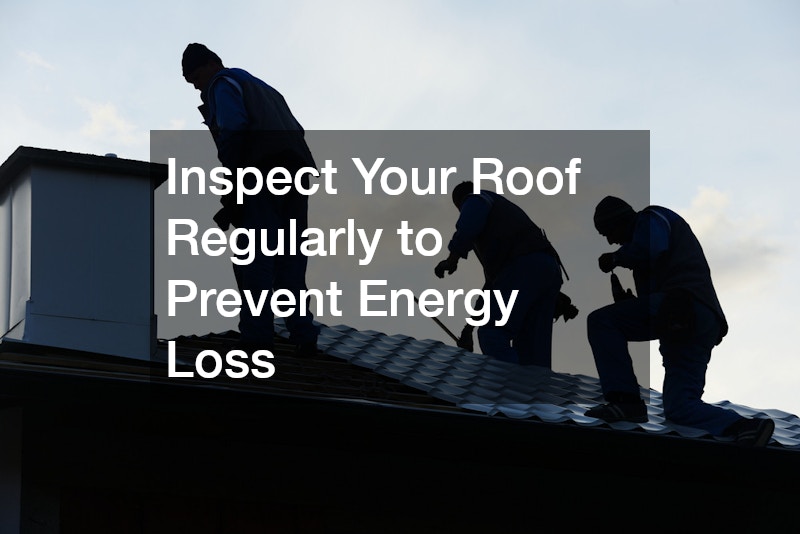
The roof is one of the most important structural elements of a home. It protects everything beneath it—from insulation and wiring to living spaces and furnishings. When roofing materials begin to deteriorate, they can allow moisture and air to enter the home, reducing energy efficiency and increasing the likelihood of costly repairs.
Regular inspections help homeowners catch small issues before they become serious problems.
Signs Your Roof Needs Attention
A simple visual inspection can reveal many common roofing issues. Watch for the following warning signs:
- Missing or curled shingles
- Dark streaks or moss growth
- Sagging areas on the roofline
- Water stains on attic ceilings
- Loose flashing around vents or chimneys
Even small gaps or damaged shingles can allow moisture to seep into the underlying structure.
DIY Roof Maintenance Tips
Homeowners can take several steps to maintain their roofs safely:
- Remove debris such as leaves or branches from the roof surface
- Keep gutters clear to prevent water backup
- Trim nearby tree branches that could scrape shingles
- Check attic insulation and ventilation for moisture buildup
These simple actions help extend the lifespan of roofing materials.
When Professional Repairs Are Needed
If damage appears extensive or difficult to access safely, it may be time to contact a local roof repair service. Professionals can evaluate structural integrity, replace damaged materials, and ensure proper sealing around roof penetrations.
Timely roof maintenance improves insulation performance, reduces energy loss, and prevents water damage that can compromise the entire home.
Maintain Gutters to Protect Foundations and Reduce Water Waste
Gutters play a crucial role in protecting a home from water damage. They direct rainwater away from the roof and foundation, preventing erosion, basement flooding, and structural deterioration. When gutters become clogged or damaged, water can overflow and cause serious problems around the property.
Regular maintenance ensures that water flows properly during storms.
Why Clean Gutters Matter
Blocked gutters can lead to several issues:
- Water pooling near the foundation
- Damage to siding and fascia boards
- Soil erosion around landscaping
- Ice dams during colder months
Maintaining clear drainage pathways helps preserve the structural integrity of the home.
Basic Gutter Maintenance Steps
Homeowners can manage many gutter tasks on their own:
- Remove leaves, twigs, and debris from gutter channels
- Flush downspouts with a garden hose to ensure proper flow
- Inspect brackets and fasteners for stability
- Check for cracks or leaks along seams
Performing these tasks at least twice per year can significantly reduce the risk of water damage.
When Professional Help Is Beneficial
In homes with multi-story roofs or extensive drainage systems, hiring gutter cleaning services may be safer and more efficient. Professionals can perform a thorough inspection, identify hidden damage, and ensure that the entire drainage system functions properly.
Clean gutters protect foundations, reduce water waste, and contribute to a healthier landscape around the home.
Improve Outdoor Spaces With Smart Lighting Solutions
Exterior lighting is often overlooked when homeowners think about energy efficiency, yet it plays a significant role in both safety and sustainability. Thoughtfully designed outdoor lighting can illuminate pathways, highlight landscaping features, and enhance security while minimizing electricity usage.
Modern lighting technology makes it easier than ever to create efficient outdoor systems.
Benefits of Efficient Exterior Lighting
Strategic outdoor lighting offers several advantages:
- Improved visibility and safety at night
- Enhanced security by deterring intruders
- Increased usability of patios and walkways
- Reduced energy consumption with modern fixtures
These benefits help create a more functional and welcoming environment.
Energy-Efficient Lighting Options
Many homeowners are upgrading to sustainable lighting solutions such as:
- Solar-powered garden lights
- LED fixtures for long-lasting illumination
- Motion-sensor lights for security areas
- Smart lighting systems that operate on timers
These options reduce electricity usage while maintaining effective illumination.
Placement Tips for Maximum Efficiency
Consider installing outdoor lighting in key areas such as:
- Walkways and driveways
- Entryways and porches
- Backyard seating areas
- Garden features or trees
Regularly check fixtures to ensure bulbs remain clean and properly positioned.
A well-designed exterior lighting system enhances both the safety and sustainability of your home’s outdoor spaces.
Upgrade Cooling Systems for Long-Term Efficiency
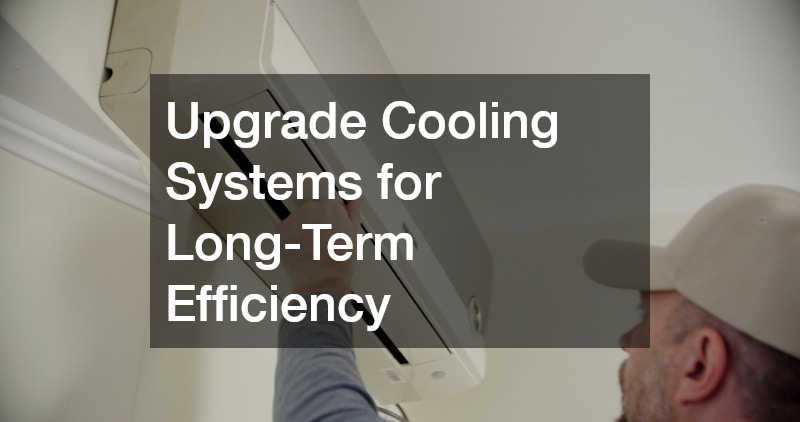
Cooling systems play a major role in household energy consumption, especially in warmer climates. Older systems often work harder to maintain comfortable indoor temperatures, leading to increased electricity bills and unnecessary strain on mechanical components.
Upgrading to modern equipment can significantly improve energy efficiency.
Signs Your Cooling System Is Losing Efficiency
Homeowners should watch for these common indicators:
- Increasing monthly energy costs
- Uneven cooling throughout the house
- Frequent repairs or maintenance calls
- Strange noises or vibrations from the unit
These symptoms may suggest that the system is nearing the end of its lifespan.
Benefits of Modern Cooling Technology
New systems designed for air conditioning replacement offer several advantages:
- Improved energy efficiency ratings
- Better humidity control
- Quieter operation
- Smart thermostat compatibility
Upgrading outdated systems often reduces long-term operating costs.
Maintenance Tips for Existing Systems
Even newer systems require routine care:
- Replace air filters every one to three months
- Keep outdoor condenser units clear of debris
- Schedule annual inspections to check refrigerant levels
Maintaining efficient cooling equipment helps reduce energy consumption and supports a more sustainable home environment.
Protect Plumbing Systems From Hidden Water Waste
Plumbing systems operate quietly behind walls and beneath floors, making leaks difficult to detect until they become serious problems. Even small leaks can waste significant amounts of water and increase utility bills over time.
Regular inspections help prevent unnecessary water loss.
Common Plumbing Issues to Watch For
Homeowners should periodically check for:
- Dripping faucets
- Running toilets
- Slow or clogged drains
- Water stains under sinks
Addressing these issues early prevents structural damage and wasted resources.
Simple DIY Maintenance
Several maintenance tasks can be performed easily:
- Tightening loose faucet components
- Installing low-flow showerheads and faucets
- Cleaning drain traps to remove buildup
These upgrades reduce water usage while maintaining performance.
When to Call Professionals
More complex plumbing problems may require help from local plumbing companies. Professionals can locate hidden leaks, repair damaged pipes, and install water-efficient fixtures.
Maintaining a reliable plumbing system protects the home while conserving one of the most valuable natural resources: clean water.
Maintain Your Septic System to Avoid Environmental Contamination
For homes that rely on septic systems, proper maintenance is essential to protect both the property and the surrounding environment. A neglected system can lead to backups, unpleasant odors, and groundwater contamination.
Routine inspections and pumping keep the system operating safely.
Signs Your Septic System Needs Attention
Watch for warning signals such as:
- Slow draining sinks or bathtubs
- Pooling water in the yard near the tank
- Persistent sewage odors
- Lush grass growth directly above the tank
These signs may indicate that the system is nearing capacity.
Preventive Maintenance Tips
Homeowners can extend the life of their septic systems by:
- Avoiding excessive water usage
- Keeping heavy vehicles off the drain field
- Using septic-safe cleaning products
These habits reduce strain on the system.
Professional Maintenance
Working with a local septic cleaning company ensures that tanks are pumped at recommended intervals and inspected for potential problems.
Regular maintenance prevents costly failures while protecting soil and groundwater from contamination.
Prevent Structural Damage With Routine Pest Inspections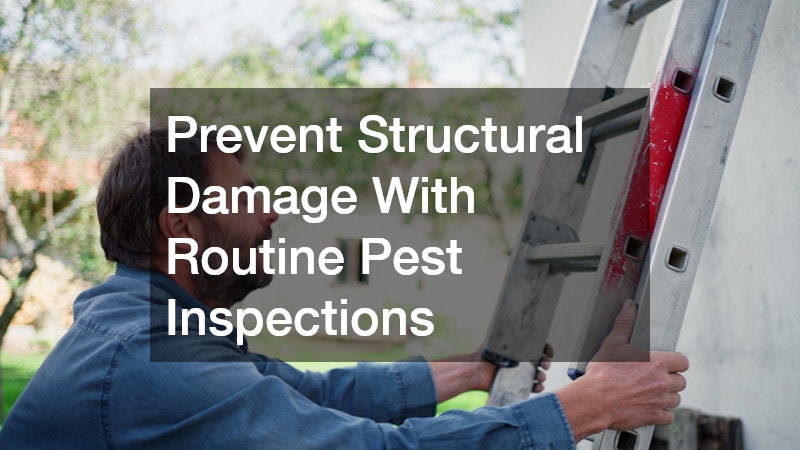
Pests can cause serious structural damage if left untreated. Termites, in particular, are capable of weakening wooden structures from the inside out. Because infestations often remain hidden for long periods, regular inspections are essential.
Early Signs of Pest Activity
Homeowners should watch for indicators such as:
- Mud tubes along foundation walls
- Hollow-sounding wood when tapped
- Small piles of sawdust-like material
- Discarded insect wings near windows or doors
These symptoms may suggest termite presence.
Preventive Strategies
Reducing the risk of infestation involves several steps:
- Keep firewood away from the home’s exterior walls
- Repair moisture problems that attract insects
- Seal cracks in the foundation
These precautions discourage pests from entering the home.
Professional Pest Control
Termite control companies provide inspections, treatments, and monitoring programs that help protect homes from long-term structural damage.
Routine pest management preserves the integrity of wooden structures while maintaining a healthier living environment.
Maintain Trees to Improve Property Safety and Efficiency
Trees contribute to a healthier environment by providing shade, improving air quality, and enhancing landscape beauty. However, neglected trees can pose safety risks and interfere with home structures.
Proper care ensures that trees remain an asset rather than a liability.
Benefits of Well-Maintained Trees
Healthy trees provide several advantages:
- Natural shade that reduces cooling costs
- Improved curb appeal
- Habitat for beneficial wildlife
Strategic tree placement can even help regulate indoor temperatures.
Routine Maintenance Practices
Regular tree trimming is necessary to:
- Remove dead or weak branches
- Prevent limbs from contacting roofs or power lines
- Encourage balanced growth
Pruning should typically occur during dormant seasons to minimize stress on the tree.
Safety Considerations
Large or unstable branches should be addressed promptly to prevent damage during storms. When trees grow too close to structures, professional arborists may be required for safe maintenance.
Healthy trees support both sustainability and property protection.
Design an Eco-Friendly Yard That Requires Less Maintenance
Landscaping can significantly impact the efficiency and environmental footprint of a home. Sustainable landscaping reduces water consumption, limits chemical use, and supports local ecosystems.
A thoughtfully designed yard can be both beautiful and environmentally responsible.
Principles of Sustainable Landscaping
Eco-friendly landscaping focuses on:
- Using native plants that require less water
- Reducing lawn areas in favor of natural vegetation
- Improving soil health with organic mulch
These practices create resilient landscapes.
Water-Saving Techniques
Efficient irrigation strategies include:
- Installing drip irrigation systems
- Collecting rainwater for garden use
- Grouping plants with similar watering needs
These steps reduce water waste while maintaining healthy plants.
Professional Landscape Planning
A local landscaping contractor can help design landscapes that balance beauty with sustainability. Professionals understand regional climates and plant varieties that thrive with minimal maintenance.
Smart landscaping supports biodiversity while lowering long-term upkeep costs.
Create a More Efficient Kitchen With Smart Renovation Choices

The kitchen is often the most heavily used space in the home, making it an ideal place to implement sustainable improvements. Modern kitchen upgrades can significantly reduce energy consumption and waste while improving functionality.
Energy-Efficient Appliances
Many homeowners choose to upgrade appliances during renovations.
Energy-efficient options include:
- Refrigerators with advanced insulation
- Induction cooktops
- Dishwashers designed to use less water
These appliances reduce utility costs over time.
Sustainable Materials
Eco-friendly kitchen upgrades may include:
- Recycled or reclaimed wood cabinetry
- Durable quartz or recycled glass countertops
- Low-VOC paints and finishes
These materials minimize environmental impact.
Professional Renovation Planning
Experienced kitchen remodelers can help homeowners design layouts that improve workflow, maximize storage, and integrate efficient appliances.
Thoughtful kitchen design contributes to a more sustainable home while increasing overall property value.
Conclusion
Maintaining a home year-round is one of the most effective ways to protect your investment while supporting a more sustainable lifestyle. Consistent attention to roofing, drainage systems, landscaping, mechanical equipment, and interior spaces ensures that every part of your home functions efficiently and safely.
Small maintenance tasks performed regularly can prevent larger problems from developing. Cleaning drainage systems, inspecting structural elements, maintaining trees, and upgrading outdated equipment all contribute to lower energy consumption and fewer costly repairs. When homeowners combine routine DIY efforts with professional expertise where needed, the result is a well-balanced maintenance strategy that keeps the entire property in optimal condition.
Sustainability in homeownership is not achieved through one major project alone. Instead, it develops through ongoing improvements that reduce waste, conserve energy, and extend the life of building materials and systems. By approaching maintenance with long-term efficiency in mind, homeowners can create living spaces that remain comfortable, resilient, and environmentally responsible throughout every season.
Taking the time to care for your home today ensures that it continues to provide safety, efficiency, and value for many years to come.
